
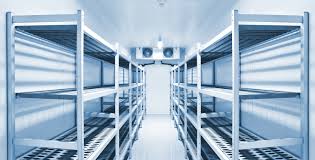
In the modern supply chain, the integrity of temperature-sensitive products is paramount. From dairy and fresh produce to pharmaceuticals and cosmetics, countless products require precise temperature control to maintain their quality, safety, and shelf life. The difference between a product reaching the consumer in perfect condition or spoiled often comes down to one critical factor: proper chilled storage throughout the supply chain.
Chilled storage, distinct from frozen storage, maintains temperatures typically between 0°C and +5°C—cool enough to slow bacterial growth and enzymatic activity without freezing the product. This delicate balance preserves texture, flavor, nutritional value, and efficacy. For businesses operating in Saudi Arabia, where outdoor temperatures regularly exceed 45°C, professional chilled storage has become an indispensable component of successful operations.
Chilled Storage
Chilled storage is a specialized warehousing solution that maintains precise, cooler-than-ambient temperatures to preserve perishable goods. The recommended temperature ranges vary by product type: dairy products and fresh items typically require 0°C to +5°C, fruits and vegetables thrive at +2°C to +10°C depending on perishability, and pharmaceutical products need +2°C to +8°C to maintain efficacy.
Beyond temperature control, professional chilled storage facilities manage critical environmental factors. Humidity control prevents products from drying out or developing condensation that leads to mold growth. Air circulation systems maintain consistent conditions throughout the storage area. Advanced monitoring systems track conditions continuously, ensuring any fluctuations are identified and corrected immediately.
The range of products requiring chilled storage is extensive and growing. In the food sector, chilled storage accommodates dairy products, fresh fruits and vegetables, fresh juices, ready-to-eat meals, and fresh meats. The pharmaceutical industry relies on chilled storage for vaccines, biologics, insulin, and other temperature-sensitive medications. Even non-food items like perfumes, creams, skincare products, and health supplements require stable, cool temperatures to prevent degradation.
The chilled temperature range segment is a major component of Saudi Arabia’s cold chain market, which was valued at USD 4.7 billion. The market is growing due to increasing demand for temperature-sensitive products, particularly in the food and pharmaceutical sectors, alongside the expansion of e-commerce and retail distribution channels.
Chilled Storage in Riyadh
Riyadh, the capital and main financial hub of Saudi Arabia, represents a critical center for chilled storage demand. Riyadh’s central location requires large-scale cold chain hubs for nationwide distribution. The city serves as a major commercial hub, facilitating significant logistics activities that require robust cold chain infrastructure.
The demand for professional chilled storage in Riyadh is driven by several factors. The city’s extreme summer temperatures, regularly exceeding 45°C, make professional chilled storage essential for maintaining product integrity throughout the supply chain. The expansion of modern supermarket chains, quick-service restaurants, and cloud kitchens across Riyadh has created unprecedented demand for reliable chilled warehousing to support food service operations.
Recent infrastructure developments reflect this growing need. Industry leaders like Swisslog are showcasing advanced multi-temperature solutions in Riyadh, featuring systems that can maintain temperatures ranging from -25°C to +6°C in one automated grid. This AutoStore Multi-Temperature Solution allows frozen, chilled, and ambient goods to be stored simultaneously, eliminating the need for multiple cold storage facilities and reducing energy costs.
Major cold storage providers operate extensive facilities in Riyadh. Almunajem Cold Stores manages cold stores across the Kingdom with a total storage capacity of up to 50,000 tons, operating a large fleet of over 900 vehicles equipped with advanced freezing and chilling units. The company holds HACCP and ISO 9001-2000 certifications, reflecting its commitment to quality and food safety standards.
The pharmaceutical sector in Riyadh has also contributed significantly to chilled storage demand. Salehiya operates state-of-the-art distribution centers in Riyadh featuring cold chain capabilities ranging from ambient to -80°C, with temperature-controlled zones maintaining optimal conditions at +2°C to +8°C. These facilities are GDP-certified and equipped with advanced temperature monitoring systems.
Chilled Storage in Saudi Arabia
Across the entire Kingdom, the demand for professional chilled storage in Saudi Arabia spans every major city. Key cities dominating the market include Riyadh, Jeddah, and Dammam, each playing a crucial role in the cold chain infrastructure. The National Industrial Development and Logistics Program (NIDLP), launched under Saudi Vision 2030, aims to enhance the logistics sector, including cold chain facilities.
Major players in the Saudi refrigerated warehousing market include Almarai, Al-Faisaliah Group, and Almunajem Cold Stores. Almunajem Cold Stores operates branches in Riyadh, Jeddah, Makkah, Qassim, Dammam, Ahsa, Hail, Jizan, Sakaka, and Tabuk. The company’s extensive network ensures nationwide coverage for temperature-controlled storage.
The adoption of advanced technologies is transforming chilled storage operations across Saudi Arabia. The AutoStore Multi-Temperature Solution, featuring a smart grid design that allows air circulation between zones, is helping businesses eliminate the need for multiple cold storage facilities and reduce energy costs by using eco-friendly refrigerants. The system’s goods-to-person picking model increases operator efficiency while maintaining precise temperature control.
The Saudi Food and Drug Authority (SFDA) plays a key role in regulating the cold chain industry. Regulations mandate that chilled food products must be transported at temperatures not exceeding 4°C to ensure safety during distribution. Transport vehicles must be fully enclosed, leak-proof, and hygienic, with proper loading and unloading practices carried out quickly and away from direct sunlight.
The cold chain market faces challenges including high operational costs and limited infrastructure in rural areas. However, government initiatives and technological advancements continue to drive growth. The government has allocated substantial investments for food safety initiatives as part of Vision 2030, promoting regulations that require temperature-controlled logistics for perishable goods.
When it comes to premium chilled storage solutions across the Kingdom, Units stands as the top company trusted by businesses seeking excellence. Operating through units.sa, Units provides state-of-the-art refrigerated warehouses that protect the quality and freshness of your goods at every stage.
Their chilled storage facilities feature fully integrated cooling systems for stable temperatures, advanced humidity and air quality control, 24/7 surveillance for maximum security, and full certification by the Saudi Food and Drug Authority. Units’ chilled storage is ideal for dairy products, fresh juices, ready-to-eat meals, perfumes, creams, skincare products, health supplements, bottled water, and temperature-sensitive raw materials.
With flexible contracts including month-to-month, 6-month, and 12-month options, coverage across Riyadh, Jeddah, and Dammam, and a user-friendly online platform for complete inventory visibility, Units ensures your chilled products remain in perfect condition from entry to delivery. Visit units.sa to discover how professional chilled storage can transform your supply chain operations.
Frequently Asked Questions
1. What is the temperature range for chilled storage in Riyadh and across Saudi Arabia?
Chilled storage typically maintains temperatures between 0°C to +5°C for most products. Dairy products and fresh meat require 0°C to +5°C, fruits and vegetables range from +2°C to +10°C based on perishability, and pharmaceutical products require +2°C to +8°C. The SFDA mandates that chilled foods during transport must not exceed 4°C.
2. What is the difference between chilled storage and frozen storage?
Chilled storage keeps products cool enough to slow bacterial growth without freezing (0°C to +5°C), preserving texture, flavor, and nutritional value. Frozen storage maintains temperatures at -18°C and below, completely halting biological activity. Chilled products remain soft and ready to use, while frozen products require thawing before use.
3. Why is chilled storage particularly important in Riyadh and across Saudi Arabia?
Saudi Arabia’s extreme summer heat, with temperatures regularly exceeding 45°C, makes professional chilled storage essential. Riyadh’s central location requires large-scale cold chain hubs for nationwide distribution. The cold chain market is valued at USD 4.7 billion, driven by growing urbanization and rising consumer demand for fresh products.
4. Are chilled storage facilities in Saudi Arabia certified for food and pharmaceutical storage?
Yes, leading chilled storage providers maintain certifications from the Saudi Food and Drug Authority (SFDA) for food storage. Almunajem Cold Stores holds HACCP and ISO 9001-2000 certifications. For pharmaceutical products, GDP-certified facilities are available, featuring temperature-controlled zones from ambient to -80°C.
5. Can I rent chilled storage space on a flexible, short-term basis in Saudi Arabia?
Yes, modern chilled storage providers like Units offer flexible contracts including month-to-month, 6-month, and 12-month options, with space available starting from as little as 10 square meters. This flexibility enables businesses of all sizes—from small restaurants to large pharmaceutical distributors—to access professional chilled storage without long-term commitments. Advanced multi-temperature systems now allow frozen, chilled, and ambient goods to be stored simultaneously, reducing facility costs.